


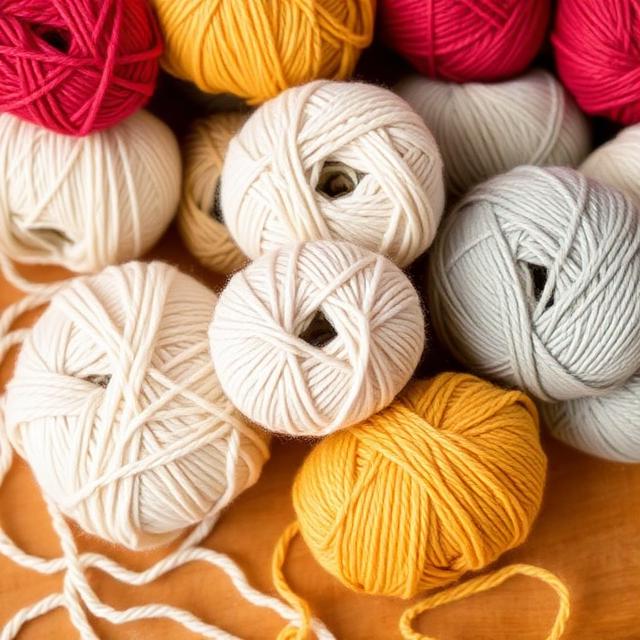
Have you ever stared at a tangled ball of yarn and felt a sudden wave of overwhelm? That knotted, chaotic mess actually has a name. We call it wollwirrware. While it might sound like a simple crafting problem, this fascinating term carries a much deeper meaning. It beautifully captures the intersection of creative chaos, mental complexity, and a growing movement toward sustainable practices.
Understanding this concept offers a fresh perspective on how we approach both art and life. It shows us that messy beginnings can lead to stunning, purposeful results. Instead of running from disorder, we can learn to embrace it and transform it into something meaningful.
In this guide, we will explore the origins of this unique word and its powerful metaphorical lessons. We will also dive into how it inspires eco-friendly practices and sustainable creativity in the fashion industry. Let us untangle the threads and discover the value hidden within the chaos.
The Fascinating Origins of Wollwirrware
Words have a remarkable way of painting vivid pictures in our minds. The term originates from German linguistic roots, famously known for combining multiple ideas into a single, highly descriptive compound word. It blends elements related to wool, confusion, and physical goods.
Even if you do not speak German, the imagery feels instantly relatable. Anyone who knits, crochets, or crafts understands how quickly a neat skein of yarn can twist into a stubborn knot. That physical representation of disorder is the literal definition of the word.
However, language naturally evolves beyond literal definitions. Crafters began using the word to describe the humorous, mild frustration of dealing with tangled supplies. Over time, the expression expanded to represent much more than just a knitting accident.
A Metaphor for Creative Chaos
Creative work rarely happens in a perfectly straight line. Artists, writers, and makers often find their workspaces and their thoughts scattered. Wollwirrware perfectly describes this natural state of creative chaos. It reminds us that disorder is often the birthplace of true innovation.
When your thoughts feel tangled, it is easy to become frustrated. Emotions can overlap, and finding clarity might seem impossible. This concept teaches us to view that mental mess as a temporary state rather than a permanent roadblock.
Just like a knotted ball of yarn, your ideas hold incredible potential. With a little patience and careful attention, you can separate the threads and weave them into a brilliant idea. Embracing the mess allows you to navigate the creative process with less stress and more curiosity.
How Wollwirrware Champions Sustainable Creativity
Beyond its linguistic charm, the concept has inspired a movement within the modern fashion industry. As consumers become more aware of environmental issues, brands are seeking ways to merge creativity with responsibility. Wollwirrware stands as a symbol for this eco-friendly shift.
The fashion world generates massive amounts of waste, often prioritizing speed over quality. The philosophy behind this term flips that narrative entirely. It encourages a deliberate, thoughtful approach to creating garments, ensuring that every thread serves a purpose.
By integrating sustainability into the core design process, creators can produce beautiful items that protect our planet. This approach proves that style and environmental consciousness can easily go hand in hand.
Embracing Eco-Friendly Materials
A major pillar of this sustainable movement is the careful selection of raw materials. Brands inspired by wollwirrware prioritize natural, biodegradable fibers over synthetic alternatives. Organic wool, for instance, provides exceptional warmth and durability while ensuring ethical animal husbandry practices.
Recycled textiles also play a massive role in this eco-friendly approach. Designers take discarded fabrics and give them a second life, keeping usable materials out of crowded landfills. This process turns potential waste into high-quality, wearable art.
Furthermore, the use of plant-based dyes eliminates harmful chemicals from the production line. These natural coloring methods keep toxins out of local water systems and protect the skin of the person wearing the garment. Every material choice reflects a deep commitment to environmental health.
The Shift Toward Slow Fashion
The fast fashion industry relies on quick turnover, pushing consumers to buy more and discard quickly. The wollwirrware mindset champions the exact opposite. It promotes slow fashion, where quality and longevity matter far more than fleeting trends.
When you invest in thoughtfully crafted pieces, you build a wardrobe that lasts for years. These items resist typical wear and tear, reducing the overall need for constant replacements. This shift in consumer habits significantly lowers an individual’s carbon footprint.
Why Ethical Production Matters
Sustainable creativity extends beyond the materials used; it encompasses the people making the products. Ethical production ensures fair wages, safe working conditions, and respect for local artisans. When you support brands that value human rights, you help foster healthier communities worldwide.
Practical Applications of the Concept
You do not need to be a fashion designer to apply these principles to your daily life. The lessons hidden within a tangled pile of yarn can help you solve practical problems. It all comes down to patience, structure, and a willingness to work through the mess.
When you face a complex challenge, your first instinct might be to pull aggressively at the problem. As any knitter will tell you, pulling a tangled knot only makes it tighter. You must stop, observe the structure, and gently loosen the connected pieces.
This approach works wonders for project management, personal relationships, and household organization. Breaking a massive problem into small, manageable parts reduces anxiety. You restore order step by step, turning chaos into a functional system.
Untangling the Mess in Crafting
For hobbyists, preventing yarn chaos is a valuable skill. Keeping your crafting materials in sealed containers or individual bags prevents unnecessary friction. A little bit of organization saves hours of detangling later.
Winding yarn into center-pull balls is another highly effective strategy. This keeps the thread flowing smoothly while you work, preventing the skein from rolling across the floor. Consistent preparation turns crafting from a stressful chore into a relaxing experience.
If you do encounter a massive knot, treat it like a puzzle. Find good lighting, spread the material on a flat surface, and work slowly. The time you spend untangling the fibers connects you deeply to the materials you are using.
Finding Clarity in Everyday Life
Life regularly throws unexpected complications our way. Plans change, schedules overlap, and responsibilities pile up. During these moments, remembering the philosophy of wollwirrware can help you stay grounded.
Instead of forcing a quick resolution, give yourself space to evaluate the situation. Identify the root cause of your stress and address it gently. Small, deliberate adjustments will eventually untangle the most complicated life scenarios.
This mindset fosters incredible resilience. You learn to trust that confusion is only temporary. With steady effort, you can transform a chaotic situation into a clear, actionable path forward.
The Environmental Impact of Eco-Friendly Practices
The fashion and textile industries deeply impact global ecosystems. Embracing sustainable creativity directly combats the negative effects of mass production. Every eco-friendly choice creates a ripple effect that benefits the earth.
Traditional manufacturing processes consume vast amounts of water and energy. By switching to renewable energy sources and mindful production techniques, sustainable brands drastically cut their resource consumption. This responsible resource management protects vulnerable natural habitats.
Additionally, reducing reliance on petroleum-based synthetic fabrics prevents microplastics from entering our oceans. Natural fibers break down harmlessly at the end of their lifecycle. These changes are vital for preserving biodiversity and ensuring a healthy planet for future generations.
Reducing Waste in the Fashion Industry
Waste reduction sits at the heart of the wollwirrware movement. Designers actively look for ways to minimize fabric scraps during the cutting and sewing phases. They use innovative pattern-making techniques that utilize every inch of the material.
When production creates unavoidable scraps, responsible brands find creative ways to repurpose them. Smaller pieces become accessories, patchwork designs, or stuffing for other goods. Nothing goes to the trash if it still holds creative value.
Consumers also play a vital role in waste reduction. By mending clothes instead of throwing them away, you honor the effort that went into making them. Simple repairs keep garments in circulation and out of local garbage dumps.
Building a Circular Economy
A circular economy completely rethinks how we use physical goods. Instead of a linear model where items are made, used, and tossed, a circular model keeps materials in constant use. Wollwirrware perfectly aligns with this sustainable economic vision.
Brands offer repair programs, recycling initiatives, and take-back schemes for their products. When a sweater reaches the end of its wearable life, the company reclaims the yarn to create something entirely new. This eliminates the need for virgin resources.
Participating in a circular economy empowers consumers. You are no longer just a buyer; you become an active participant in an ongoing, sustainable cycle. This connection brings deep satisfaction and purpose to your purchasing decisions.
Empowering Communities Through Sustainable Fashion
Sustainability is heavily tied to social responsibility. The way we produce goods directly affects the communities involved in the manufacturing process. Brands that adopt this mindful philosophy actively work to uplift the people behind the products.
Mass manufacturing often disconnects the consumer from the creator. Sustainable fashion works hard to bridge that gap. By sharing the stories of the artisans and the origins of the materials, brands foster a deep sense of global connection.
When you know exactly who made your clothes and how they were treated, you value the item more. This transparency builds a loyal community of consumers who care about human welfare just as much as environmental health.
Supporting Local Artisans
Many eco-friendly brands partner closely with local craftspeople to produce their goods. These partnerships help preserve traditional crafting techniques that might otherwise disappear. It keeps heritage skills alive while providing fair, stable employment.
Working with local artisans also boosts regional economies. Fair wages empower workers to support their families and invest in their local communities. This economic stability creates a stronger, more resilient society overall.
Furthermore, traditional techniques often require less energy than heavy industrial machinery. Hand-looming, natural dyeing, and manual knitting inherently align with low-carbon production goals. Supporting these artisans is a win for both the people and the planet.
Fostering Transparency and Trust
Modern consumers demand honesty from the companies they support. They want to know the true cost of their purchases. Brands operating under the wollwirrware philosophy gladly provide full supply chain transparency.
These companies openly share information about their farms, factories, and material sourcing. They invite independent audits to verify their ethical claims. This level of honesty builds incredible trust with their audience.
When companies operate transparently, they force the rest of the industry to elevate their standards. As more people demand accountability, exploitative practices become much harder to hide. Your conscious choices help drive this industry-wide transformation.
The Future of Mindful Creation
The journey toward complete sustainability is an ongoing process. Brands dedicated to eco-friendly practices constantly look for new ways to improve. The future of mindful creation holds exciting possibilities for both creators and consumers.
Education will play a massive role in this evolution. Companies are increasingly offering workshops and resources to teach people about sustainable living. When consumers understand the impact of their choices, they make better decisions.
We will also see a rise in collaborative efforts across different industries. Designers, scientists, and environmentalists are teaming up to solve complex manufacturing problems. These diverse partnerships will unlock creative solutions we have yet to imagine.
Innovative Materials on the Horizon
The textile industry is currently experimenting with groundbreaking sustainable materials. We are seeing fabrics made from mushroom mycelium, pineapple leaves, and algae. These innovations require minimal resources to grow and offer incredible durability.
As technology advances, recycling methods will become even more efficient. We will soon be able to easily separate blended fabrics and recycle them without losing fiber strength. This technological leap will make a fully circular fashion industry a reality.
The spirit of wollwirrware reminds us that we can untangle the environmental messes of the past. By combining human creativity with scientific innovation, we can build a fashion industry that heals the earth rather than harming it.
Conclusion
Wollwirrware is far more than a word describing a messy pile of yarn. It is a powerful metaphor for the creative chaos we experience in life and art. More importantly, it represents a necessary, beautiful shift toward sustainable practices in the fashion industry.
By prioritizing eco-friendly materials, reducing waste, and supporting ethical production, we can untangle the environmental issues caused by fast fashion. Embracing this philosophy allows us to appreciate the patience and care required to create truly valuable goods.
You have the power to support this movement through your everyday choices. Invest in quality items, mend what is broken, and choose brands that value transparency. Together, we can weave a sustainable, beautiful future out of the chaos.
Frequently Asked Questions
What does wollwirrware literally mean?
The term literally refers to a tangled, chaotic mess of wool or yarn. It comes from German linguistic roots that combine concepts of wool, confusion, and physical goods.
How does this concept apply to everyday life?
Metaphorically, it represents creative chaos and mental tangles. It teaches us that complex problems and confusing situations can be resolved with patience, careful observation, and steady effort.
Why is this term connected to sustainable fashion?
It has become a symbol for a mindful approach to clothing production. It contrasts fast fashion by promoting slow, deliberate creativity, eco-friendly materials, and ethical manufacturing processes.
What materials are considered eco-friendly in this movement?
Brands following this philosophy prioritize natural, biodegradable, and recycled materials. Common examples include organic wool, recycled cotton, and fabrics treated with plant-based, non-toxic dyes.
How can I prevent my own yarn from turning into a tangled mess?
To prevent tangling, store your yarn in sealed bags or containers to limit movement. Winding your skeins into center-pull balls before starting a project also keeps the thread flowing smoothly.