


Quick answer: A bjudlunch is a Swedish cultural practice where one person invites another to lunch and explicitly pays for the meal. This tradition functions as a low-pressure framework for professional networking, building personal relationships, and sharing ideas, deeply rooted in Sweden’s egalitarian values and focus on work-life balance.
- What Bjudlunch Specifically Means
- The Cultural Roots and Values of Bjudlunch
- How Bjudlunch Works in Social and Professional Settings
- Comparing Bjudlunch to Other Global Lunch Traditions
- The Art of Hosting: Planning, Menu, and Timeline
- Seasonal Menu Ideas for a Bjudlunch Gathering
- Practical Tips: Budgeting, Safety, and Etiquette
- Bjudlunch as a Tool for Modern Networking
- Conclusion: Embracing the Swedish Lunch Tradition
- Frequently Asked Questions About Bjudlunch
Sweden is globally recognized for its unique approaches to socializing and productivity. While the coffee break known as fika receives widespread international attention, another culinary tradition quietly drives the country’s business and social relationships. The practice of inviting a colleague, friend, or potential business partner to a midday meal serves a distinct purpose in Nordic culture.
Understanding this tradition provides valuable insight into how Swedish professionals conduct business and build trust. Unlike high-stakes evening dinners, a midday meeting offers a structured, time-bound environment that respects both parties’ schedules. It creates a neutral ground where hierarchies flatten, and genuine conversations take place over a plate of warm food.
Mastering this etiquette can significantly improve your relationship-building skills, whether you are relocating to Stockholm, working with Scandinavian clients, or simply looking for a more effective way to expand your professional network.
What Bjudlunch Specifically Means
The term bjudlunch translates directly to “invited lunch” or “treat lunch” in English. The word combines “bjuda” (to invite or to treat) with “lunch.” When someone initiates a bjudlunch, they are explicitly stating their intention to host the meeting and cover the financial cost of the meal.
This clarity removes the awkwardness often associated with splitting a restaurant bill. In a culture that highly values equality and independence, Swedes typically split expenses down to the exact krona. The bjudlunch is a deliberate exception to this rule. By offering to pay, the host signals that they value the guest’s time and have a specific reason for the gathering, whether it is to pitch a project, seek mentorship, or celebrate a milestone.
The Cultural Roots and Values of Bjudlunch
The foundation of the bjudlunch tradition rests on core Swedish cultural values, particularly consensus-building and egalitarianism.
Egalitarianism and Flat Hierarchies
Swedish corporate culture operates on flat organizational structures. A junior employee can easily invite a senior executive to a bjudlunch without violating company norms. This practice breaks down formal barriers and encourages open dialogue. The act of sharing a meal levels the playing field, making it easier to exchange feedback and propose new ideas in a non-confrontational setting.
The Role of Husmanskost
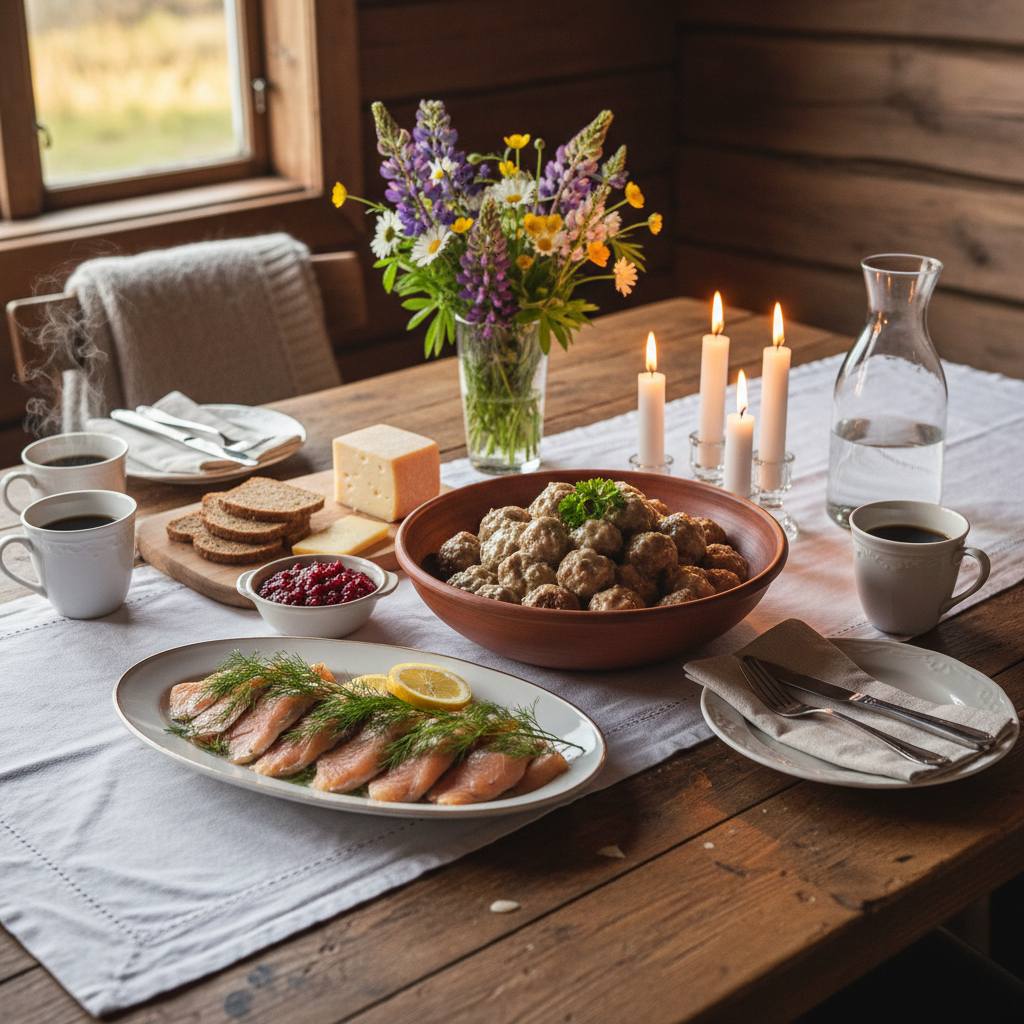
Traditionally, a bjudlunch features husmanskost—classic, hearty Swedish everyday food. Dishes like meatballs with lingonberries, fried herring, or split pea soup provide comfort and familiarity. Serving or ordering unpretentious food aligns with the Swedish concept of lagom (just the right amount), ensuring the lunch feels substantial but never overly extravagant or boastful.
How Bjudlunch Works in Social and Professional Settings
The dynamics of a bjudlunch shift depending on the context of the invitation, though the core principle of hospitality remains the same.
Social Bjudlunch
In a personal context, friends or family members use this tradition to celebrate birthdays, promotions, or life events. The host uses the meal to show appreciation for their loved ones. Because the intention is social, the timeline is often more relaxed, sometimes stretching into the late afternoon on weekends.
Professional Bjudlunch
In the business world, a bjudlunch is highly strategic. It is the preferred method for initial business meetings, job interviews, or client check-ins. The professional version is strictly time-bound, usually lasting exactly one hour. Participants respect this timeframe to ensure neither party falls behind on their workday commitments. The conversation typically starts with casual topics before naturally transitioning into the main business agenda.
Comparing Bjudlunch to Other Global Lunch Traditions
To understand the unique value of the Swedish bjudlunch, it is helpful to compare it against alternative networking methods and cultural competitors globally.
| Tradition | Country of Origin | Primary Focus | Bill Payment Norm | Typical Duration |
| Bjudlunch | Sweden | Relationship building, flat hierarchy | Host pays | 60 minutes |
| Power Lunch | United States | Deal-making, high stakes | Host or expense account | 60–90 minutes |
| Nomikai (Evening) | Japan | Bonding, breaking down corporate walls | Split or senior pays | 2+ hours |
| Sobremesa | Spain | Socializing, post-meal digestion | Split | 90–120 minutes |
Choose a bjudlunch format if your goal is to build long-term trust and foster open communication in a low-pressure environment. Choose the American power lunch format if your immediate goal is aggressive negotiation or finalizing a high-value contract.
The Art of Hosting: Planning, Menu, and Timeline
Successfully hosting a bjudlunch requires careful planning. The host assumes responsibility for the venue, the schedule, and the comfort of the guest.
Structuring the Event
Select a restaurant that offers a quiet environment suitable for conversation. Many Swedish restaurants offer a specific “dagens lunch” (lunch of the day), which includes a main dish, a salad buffet, bread, water, and coffee for a fixed price. This predictable format allows for efficient service, ensuring the meeting stays within the typical one-hour timeframe.
Timeline Breakdown
A standard professional bjudlunch follows a predictable schedule:
- 11:55 AM: Host arrives early to secure a table.
- 12:00 PM: Guest arrives; casual greeting and ordering.
- 12:15 PM: Food arrives; conversation shifts to the primary business topic.
- 12:45 PM: Meal concludes; coffee is served (a mini fika).
- 1:00 PM: Host pays the bill; parties return to work.
Seasonal Menu Ideas for a Bjudlunch Gathering
If you are hosting a bjudlunch at your home or office rather than a restaurant, aligning your menu with the Swedish seasons demonstrates cultural competence and culinary care.
Spring and Summer
Warmer months call for lighter, fresher ingredients. Focus on dishes that can be prepared in advance.
- Cured salmon (Gravlax) served with dill potatoes and mustard sauce.
- Chilled shrimp sandwiches (Räksmörgås) piled high on rye bread with mayonnaise and egg.
- Fresh strawberry cake to accompany the post-meal coffee.
Autumn and Winter
Colder months require warming, robust dishes that provide energy for the dark afternoons.
- Swedish meatballs (Köttbullar) with creamy gravy, mashed potatoes, and pickled cucumbers.
- Root vegetable stews featuring seasonal produce and rich broths.
- Apple crumble with vanilla sauce for a comforting finish.
Practical Tips: Budgeting, Safety, and Etiquette
Executing a bjudlunch flawlessly means paying attention to logistics, from initiating contact to ensuring guest comfort.
Managing the Budget
Since the host pays, select a venue that fits your budget without appearing stingy. The “dagens lunch” concept helps manage costs effectively, typically ranging from 100 to 150 SEK per person. If you are inviting a high-level client, you may opt for a slightly more upscale venue, but avoid overly expensive Michelin-starred restaurants for a midday meeting, as this contradicts the Swedish preference for modesty.
Food Safety and Dietary Restrictions
Prioritize food safety and inclusivity when planning your meal. Sweden has a high prevalence of dietary awareness, particularly regarding gluten and lactose intolerance. Always ask your guest about allergies or dietary preferences when you initiate contact. If hosting at home, ensure all ingredients are stored at proper temperatures and cross-contamination is avoided, especially when handling seafood or dairy.
Etiquette and Contact Norms
Initiating contact for a bjudlunch should be direct and polite. Send an email or a LinkedIn message stating your purpose clearly. A good invitation reads: “I would like to invite you to a bjudlunch next week to discuss our upcoming project.” When the bill arrives, the host should discreetly handle the payment. The guest should thank the host for the meal, but they are not obligated to offer to pay.
Bjudlunch as a Tool for Modern Networking
In an era dominated by digital communication, the bjudlunch remains a highly effective networking tool. Face-to-face interaction fosters a level of empathy and understanding that video calls cannot replicate.
By utilizing this tradition, professionals can cut through the noise of crowded email inboxes. An invitation to lunch shows genuine interest and a willingness to invest resources—both time and money—into the relationship. For introverted professionals, the structured nature of the meal provides a comfortable framework for networking, removing the anxiety often associated with large, unstructured corporate mixers.
Conclusion: Embracing the Swedish Lunch Tradition
The bjudlunch is much more than a free meal; it is a cultural institution designed to foster equality, build trust, and facilitate meaningful conversations. By understanding the etiquette, respecting the timeline, and prioritizing the comfort of your guest, you can use this Swedish tradition to strengthen your professional network and build lasting relationships. Start by identifying one person in your network you want to learn from, reach out with a clear purpose, and invite them to share a plate of husmanskost.
Frequently Asked Questions About Bjudlunch
What is the main purpose of a bjudlunch?
The primary purpose of a bjudlunch is to build relationships, discuss professional matters, or celebrate a social milestone in a relaxed, egalitarian setting where the host explicitly covers the cost of the meal.
Do I have to pay if I am invited to a bjudlunch?
No. If someone specifically invites you to a bjudlunch, it is understood that they will pay the entire bill. Offering to split the check is unnecessary and can sometimes cause mild awkwardness.
How long should a professional bjudlunch last?
A professional bjudlunch should last exactly one hour. Respecting the guest’s time is crucial in Swedish corporate culture, so it is important to finish the meal and the business discussion within this timeframe.
What kind of food is typically served at a bjudlunch?
Traditional Swedish everyday food, known as husmanskost, is the most common choice. However, modern bjudlunches often feature a variety of cuisines, provided the venue offers a fast, high-quality “dagens lunch” (lunch of the day).
Is it appropriate to drink alcohol during a bjudlunch?
No. It is highly inappropriate to consume alcohol during a professional bjudlunch in Sweden. The standard beverages are sparkling water, light beer (lättöl, which is non-alcoholic), and coffee to finish the meal.