
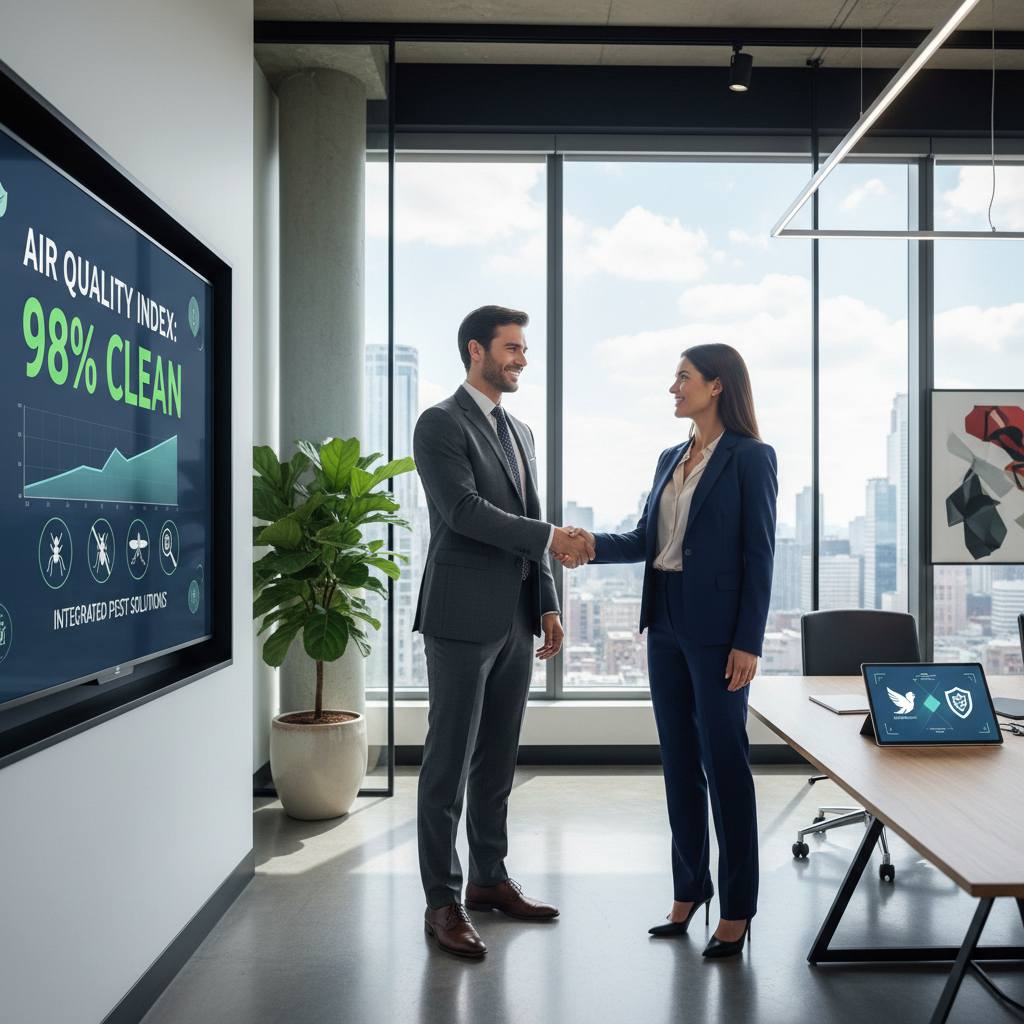
Corporate expansions often dictate the future of entire industries. You might wonder how a global leader in pest control decides to expand its footprint into the highly specialized field of indoor air quality. The answer lies in targeted, well-executed business acquisitions. Companies must adapt to shifting customer demands by offering comprehensive, all-in-one solutions. When property owners look for building safety, they want a single provider who can handle everything from rodent prevention to ventilation audits.
- What is the anticimex oy / indoor quality service oy yritysostostrategia?
- Synergies Between Pest Control and Indoor Air Quality
- Detailed Safety Protocols and Environmental Health
- Contact and Competitors in the 2026 Landscape
- The 2026 Outlook for Nordic Facility Management
- Summary Table of the Acquisition Impact
- Frequently Asked Questions (FAQs)
- What was the core objective of the anticimex oy / indoor quality service oy yritysostostrategia?
- How did the companies handle the clash of corporate cultures?
- What are the main benefits of combining pest control with ventilation cleaning?
- How do they manage customer support for multiple different services?
- How does this acquisition impact other companies in the Nordic market?
- Next Steps for Industry Leaders
This guide explores the mechanics behind a massive shift in the Nordic market. We will break down exactly how two different companies merged their operations, aligned their corporate cultures, and integrated their technological platforms. You will discover the core benefits of this strategic union, the challenges faced during the transition, and the long-term impacts on the facility management landscape. We will also examine the strict safety protocols established post-merger and the competitive environment projected for 2026.
Here are the key takeaways you will gain from this analysis:
- A deep understanding of the core acquisition strategy.
- Insights into how companies achieve operational synergy.
- The 2026 outlook for the Nordic facility management market.
- Actionable lessons on managing complex M&A scenarios.
What is the anticimex oy / indoor quality service oy yritysostostrategia?
The anticimex oy / indoor quality service oy yritysostostrategia represents a highly calculated acquisition strategy aimed at dominating the environmental health sector. Anticimex Oy built its reputation globally through modern pest management and hygiene services. However, market research indicated a massive opportunity in broader building maintenance. To capture this market, the company targeted Indoor Quality Service Oy, a respected firm known for its precise air quality management and ventilation optimization.
This specific yritysostostrategia (the Finnish term for corporate acquisition strategy) focused on creating a holistic service package. Property managers no longer want to hire one company to spray for insects and a completely different company to clean their HVAC systems. By executing the anticimex oy / indoor quality service oy yritysostostrategia, the parent organization successfully bridged the gap between these two vital services. They purchased a specialized firm to immediately gain technical expertise, an established customer base, and advanced monitoring equipment.
The core of the anticimex oy / indoor quality service oy yritysostostrategia was rapid market integration. Instead of spending decades trying to build an indoor air quality division from the ground up, the company simply bought the best existing player. This move instantly boosted their market dominance and provided massive cross-selling opportunities. We will now explore the exact mechanics that made this bold business move highly successful.
The Financial and Strategic Planning Phase
Executing a merger of this scale requires months of financial modeling and strategic alignment. The leadership teams had to evaluate the exact valuation of the target company while factoring in the potential for future revenue growth. They analyzed the existing contracts, the proprietary technology used for environmental monitoring, and the overall health of the brand.
During the planning phase, executives mapped out the exact synergy they expected to achieve. They calculated how much money could be saved by consolidating administrative departments, such as human resources and accounting. They also projected the revenue increase from offering bundled services to their combined client list. This rigorous financial planning ensured that the acquisition would be profitable within the first fiscal year.
Overcoming Cultural and Organizational Barriers
Every business acquisition faces the threat of cultural friction. Anticimex Oy operated as a massive, highly structured multinational corporation. On the other hand, Indoor Quality Service Oy functioned as an agile, tightly-knit team of specialized technicians. Merging these two distinct environments required high-level corporate integration skills.
Management implemented joint training programs and team-building initiatives to foster collaboration. They prioritized transparent communication, ensuring that every employee understood their role in the newly unified company. By respecting the unique expertise of the acquired staff, the parent company prevented mass turnover and retained the top-tier talent necessary to deliver exceptional customer satisfaction.
Synergies Between Pest Control and Indoor Air Quality
When you look closely at building maintenance, the connection between bugs and breathable air becomes obvious. Pests often enter buildings through compromised ventilation systems. Rodent droppings and insect debris directly contaminate the air circulating through commercial spaces. Therefore, combining pest control with indoor air quality services creates a logical and highly effective synergy.
The anticimex oy / indoor quality service oy yritysostostrategia capitalized on this exact relationship. Technicians performing routine pest inspections could now easily identify dirty air ducts or failing HVAC filters. Conversely, ventilation specialists cleaning ductwork could spot early signs of pest infestations. This dual-threat approach provided unparalleled value to property managers and commercial real estate developers.
Maximizing Cross-Selling Opportunities
One of the most immediate benefits of this M&A activity was the massive potential for cross-selling. The sales teams effectively merged their client databases. Clients who previously only purchased rat trapping services were introduced to comprehensive air purification plans. Customers who relied on ventilation cleaning suddenly gained access to state-of-the-art pest monitoring technology.
This strategy dramatically increased the lifetime value of each customer. It also reduced the cost of customer acquisition, as selling a new service to an existing client is far cheaper than finding a completely new buyer. The unified sales approach solidified the company’s status as a comprehensive provider of environmental health solutions.
Leveraging Smart Technology for Better Service
The integration allowed both divisions to leverage advanced technology. Anticimex Oy was already known for its smart pest control traps that send digital alerts when activated. By applying this same Internet of Things (IoT) philosophy to air quality management, the company developed new, integrated sensor networks.
These smart sensors monitor carbon dioxide levels, humidity, particulate matter, and pest activity all in real time. The data feeds into a centralized dashboard, allowing facility managers to view the complete health profile of their building from a smartphone. This technological leap placed the newly merged entity years ahead of smaller, slower competitors.
Detailed Safety Protocols and Environmental Health
Safety stands as the ultimate priority in both pest management and indoor air quality. The anticimex oy / indoor quality service oy yritysostostrategia mandated a complete overhaul of existing safety standards. The newly formed organization aimed to set the highest possible benchmarks for regulatory compliance across the entire Nordic market.
Chemical usage represents a major concern in pest eradication. The company implemented strict protocols to ensure that any treatments used would not compromise the indoor air breathed by building occupants. They shifted heavily toward non-toxic, digital trapping methods and preventative structural maintenance.
Advanced Technician Training
To maintain these high safety standards, the company invested heavily in technician education. Workers cross-trained in multiple disciplines. A pest technician learned the basics of HVAC airflow, while an air quality auditor learned how to spot structural vulnerabilities that invite pests.
This comprehensive training ensures that every worker entering a client’s building understands the full spectrum of environmental health. They wear specialized protective gear and use specialized containment units when cleaning severely contaminated ventilation shafts. These strict protocols protect both the workers and the clients.
Strict Regulatory Compliance in the Nordic Region
The Scandinavian countries enforce some of the strictest environmental and labor laws in the world. The unified company structured its operations to exceed these legal requirements easily. They employ dedicated compliance officers who monitor changing regulations regarding chemical disposal, carbon emissions, and workplace safety.
By proactively adapting to new laws, the company avoids costly fines and public relations disasters. They frequently publish transparency reports detailing their carbon footprint, their reduction in toxic chemical usage, and their overall contribution to sustainable facility management. This dedication to compliance acts as a major selling point for large corporate clients who demand eco-friendly vendors.
Contact and Competitors in the 2026 Landscape
The execution of the anticimex oy / indoor quality service oy yritysostostrategia drastically altered the competitive landscape. As we look at the market in 2026, the ripple effects of this mega-merger remain highly visible. Other firms in the Nordic market scrambled to form their own alliances to compete with this new, multi-service powerhouse.
Understanding the competitive environment requires looking at both international giants and regional specialists. The company must constantly innovate to protect its market share from aggressive rivals who want to win large commercial contracts. Let us examine the specific competitors and the streamlined contact protocols that give the merged entity its edge.
Key Competitors in Facility Management
The primary challengers in 2026 include massive multinational facility management conglomerates. Companies like Rentokil Initial and ISS Facility Services offer broad ranges of building maintenance solutions. These giants possess massive capital reserves and can easily launch price wars to steal large corporate accounts.
Additionally, smaller, hyper-local companies pose a threat in rural areas. A local HVAC company might have decades of community trust that a large corporation struggles to overcome. To beat these competitors, the unified organization relies on its superior technological infrastructure and its specialized expertise in the exact intersection of pests and air quality.
Unified Contact Protocols and Customer Support
To handle the massive influx of clients post-merger, the company completely revamped its customer service infrastructure. The anticimex oy / indoor quality service oy yritysostostrategia included the development of a centralized, cloud-based contact hub. Clients no longer have to call different numbers for different problems.
A single phone call or digital ticket can deploy a technician to handle a broken ventilation fan, a rat infestation, or a routine air quality audit. This frictionless contact protocol drastically improves customer satisfaction. Account managers handle portfolios holistically, providing clients with monthly reports that detail the overall environmental health of their entire real estate portfolio.
The 2026 Outlook for Nordic Facility Management
The future of the Nordic facility management market relies heavily on data, automation, and sustainability. The anticimex oy / indoor quality service oy yritysostostrategia positioned the company perfectly to capitalize on these upcoming trends. By 2026, clients expect invisible, highly efficient services that operate in the background without disrupting their daily business.
We are seeing a massive shift toward predictive maintenance. Instead of waiting for a tenant to complain about bad smells or insect sightings, companies use data to fix problems before they happen. This proactive approach saves money, protects brand reputations, and ensures incredibly healthy indoor environments.
The Rise of AI and Cloud-Based Operations
Artificial intelligence plays a massive role in the 2026 operational strategy. The company feeds years of pest activity data and air quality metrics into machine learning algorithms. These AI models can predict when and where pest outbreaks are likely to occur based on weather patterns and seasonal changes.
Similarly, the algorithms analyze HVAC performance data to predict when a filter will fail or a duct will require cleaning. This cloud-based operational platform allows dispatchers to route technicians with incredible efficiency, reducing travel time and fuel consumption. The seamless integration of these software tools was a direct result of the careful planning within the anticimex oy / indoor quality service oy yritysostostrategia.
Aggressive Sustainability Goals
Sustainability is no longer a marketing buzzword; it is a strict requirement for doing business in Northern Europe. The merged company has set aggressive goals to become completely carbon neutral by the end of the decade. They are actively replacing their fleet of service vans with electric vehicles.
Furthermore, they prioritize sustainable solutions for their clients. They install energy-efficient air purification systems that use minimal electricity. They completely phased out highly toxic pesticides in favor of biological controls and smart traps. This unwavering commitment to green practices ensures long-term profitability and incredible brand loyalty.
Summary Table of the Acquisition Impact
To fully grasp the massive changes brought about by this merger, we must compare the operations before and after the acquisition. This table outlines the critical transformations across multiple business areas.
| Business Dimension | Pre-Acquisition Status | Post-Acquisition Results |
| Service Scope | Fragmented and specialized in single niches. | Comprehensive, all-in-one environmental health solutions. |
| Technology | Separate systems with minimal data sharing. | Unified cloud platform with smart IoT sensor integration. |
| Market Position | Strong but limited to specific service categories. | Absolute market dominance in Nordic building maintenance. |
| Sales Approach | Single-service selling with high acquisition costs. | Massive cross-selling opportunities maximizing client value. |
| Corporate Culture | Siloed teams with distinct operational styles. | Collaborative, cross-trained workforce with shared goals. |
| Safety Protocols | Standard compliance with local regulations. | Industry-leading, proactive regulatory compliance measures. |
| Customer Service | Multiple contact points causing client confusion. | Single-point contact hub streamlining support requests. |
Frequently Asked Questions (FAQs)
What was the core objective of the anticimex oy / indoor quality service oy yritysostostrategia?
The main objective was to instantly expand service capabilities by purchasing a proven expert in indoor air quality. This allowed the parent company to offer a complete package of health and safety services for commercial buildings, rather than just basic pest eradication.
How did the companies handle the clash of corporate cultures?
They utilized a very slow, highly transparent integration process. Leadership created joint task forces and heavily promoted cross-training. By valuing the technical expertise of the acquired employees, they minimized turnover and built a highly collaborative new culture.
What are the main benefits of combining pest control with ventilation cleaning?
Pests frequently use ventilation systems to travel and nest, which heavily contaminates the air. By combining these services, technicians can spot early warning signs of infestations during routine duct cleaning, providing a much more thorough and proactive defense for the building.
How do they manage customer support for multiple different services?
The merger resulted in the creation of a unified, cloud-based customer contact hub. Clients use a single phone number or digital portal to request help for any environmental issue, vastly improving response times and overall customer satisfaction.
How does this acquisition impact other companies in the Nordic market?
It forces competitors to evolve rapidly. Smaller companies must either merge with each other to offer similar bundled services or risk losing large corporate contracts to this new, comprehensive facility management powerhouse.
Next Steps for Industry Leaders
The success of the anticimex oy / indoor quality service oy yritysostostrategia proves that strategic, well-planned acquisitions generate massive value. If you manage a business in the service sector, you must constantly look for complementary niches. Analyze your current customer base to see what other services they desperately need.
Consider partnering with or acquiring smaller, specialized firms to broaden your offerings. Prioritize transparent communication and robust technology integration when merging teams. By adopting these strategies, you can build a more resilient, profitable, and comprehensive service organization that easily outpaces the competition.