


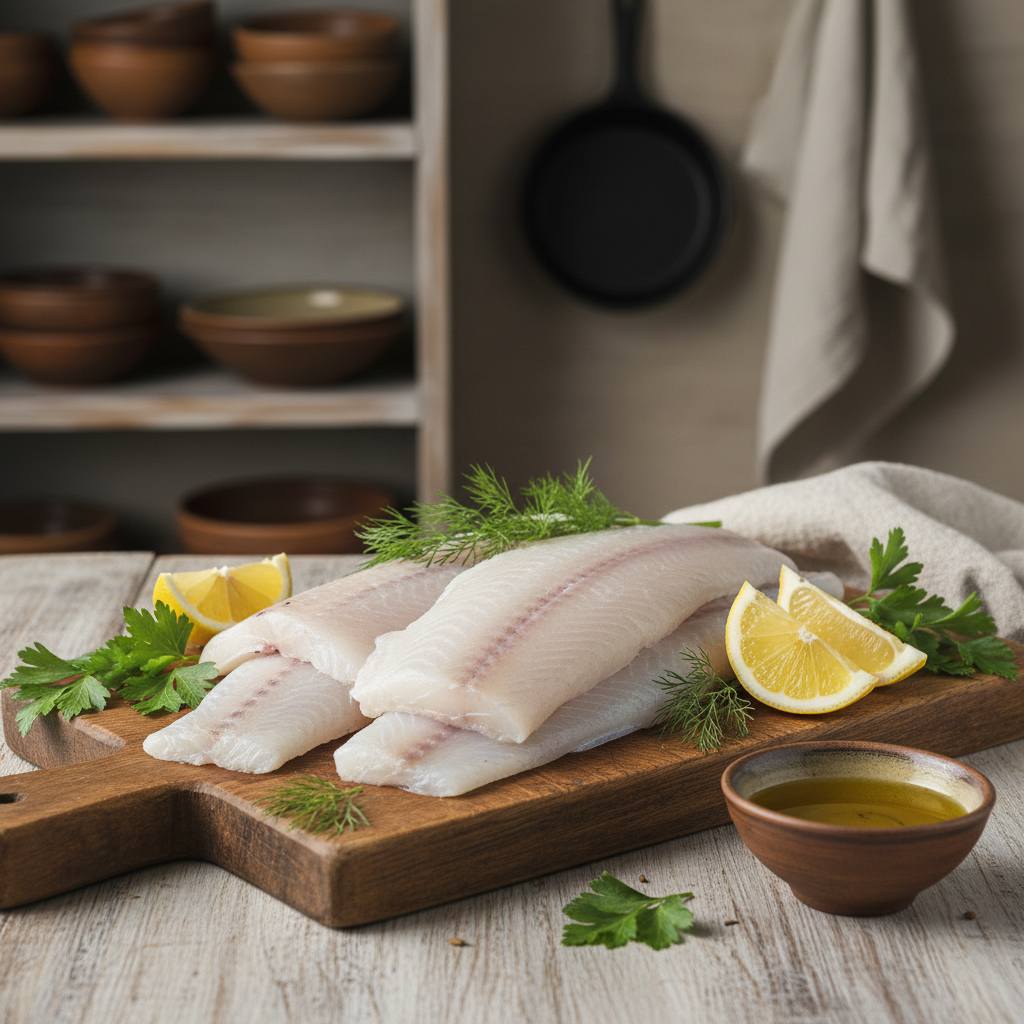
Quick answer: alaskan seiti alaskanseiti refers to the widely consumed Alaska pollock (Gadus chalcogrammus), a highly sustainable white fish harvested primarily from the Bering Sea and the Gulf of Alaska. It is globally prized for its mild flavor, flaky texture, and excellent nutritional profile, delivering high protein and vital omega-3 fatty acids while maintaining a low environmental footprint.
- What is alaskan seiti alaskanseiti?
- Nutritional Benefits and Value
- Taste, Texture, and Flavor Profile
- Popular Cooking Methods (Oven, Pan-fry, Soup)
- Global Importance and Economic Impact
- Sustainability and Fishing Practices in Alaska
- Comparison with Other White Fish (Cod, Pollock, Haddock)
- Table: White Fish Comparison and Nutritional Data
- Safety and Preparation Tips for Home Cooks
- Elevate Your Seafood Repertoire
- 5 Most Searched FAQs About This Fish
Many consumers eat Alaska pollock every week without even realizing it. Whether it is served as crispy fish and chips, shaped into fish sticks for a family dinner, or processed into surimi (imitation crab), this versatile seafood is a staple in kitchens worldwide. In international markets, particularly in Nordic regions, this fish is often recognized by its Finnish name, leading to the search term alaskan seiti alaskanseiti.
Understanding the origins, nutritional benefits, and culinary applications of this marine resource helps consumers make informed, healthy, and eco-friendly dietary choices. This comprehensive guide explores everything you need to know about this popular ocean fish, from its sustainability to the best ways to prepare it at home.
What is alaskan seiti alaskanseiti?
The term alaskan seiti alaskanseiti is a hybrid phrase blending the English regional identifier “Alaskan” with the Finnish word “seiti,” which traditionally translates to pollock or saithe. In the commercial fishing industry, this refers specifically to the Alaska pollock, a pelagic schooling fish belonging to the cod family (Gadidae).
This groundfish thrives in the frigid, nutrient-rich waters of the North Pacific Ocean. It represents one of the largest and most valuable fisheries in the United States and the world. Because of its adaptability and fast growth rate, the Alaska pollock population remains incredibly robust, making alaskan seiti alaskanseiti a cornerstone of the global seafood market.
Nutritional Benefits and Value
Adding alaskan seiti alaskanseiti to your diet provides significant health benefits. It is highly regarded by nutritionists and dietitians as a nutrient-dense, lean protein.
This white fish is exceptionally low in saturated fat and carbohydrates, making it ideal for heart-healthy diets and weight management. A standard 3-ounce serving delivers approximately 15 grams of high-quality protein. Furthermore, it is a rich source of vitamin B12, which supports nerve function and red blood cell production, and provides a solid dose of omega-3 fatty acids (specifically EPA and DHA), which are crucial for cardiovascular health and brain function. It also contains essential minerals like selenium and phosphorus.
Taste, Texture, and Flavor Profile
Consumers choose alaskan seiti alaskanseiti for its incredibly mild flavor and delicate, flaky texture. Unlike heavily oily fish such as salmon or mackerel, this whitefish does not have a strong or “fishy” taste.
The meat is snow-white when cooked, offering a tender yet firm bite. Because the flavor profile is so neutral, the fish fillets act as a blank culinary canvas. They absorb marinades, spices, and sauces beautifully, making the fish highly adaptable to a wide variety of global cuisines.
Popular Cooking Methods (Oven, Pan-fry, Soup)
You can prepare alaskan seiti alaskanseiti using almost any standard seafood cooking technique. Its firm texture holds up well to various heat applications.
- Oven-Baking: Baking the fillets at 375°F (190°C) with a drizzle of olive oil, lemon juice, and garlic takes only 12 to 15 minutes. This method preserves the moisture and keeps the meal low in calories.
- Pan-Frying: For a crispier exterior, coat the fish in a light breading or panko crust and pan-fry it in a shallow layer of canola oil or butter. Cook for 3 to 4 minutes per side until the flesh is opaque and flakes easily with a fork.
- Soups and Stews: The firm flakes of alaskan seiti alaskanseiti make it an excellent addition to seafood chowders, bouillabaisse, and fish soups. Add the chunks of meat during the last 5 minutes of simmering to prevent overcooking.
Global Importance and Economic Impact
The Alaska pollock fishery is an economic powerhouse. It is the largest fishery by volume in the United States, generating billions of dollars in economic output and supporting thousands of maritime jobs, from commercial fishermen to processing plant workers.
Globally, alaskan seiti alaskanseiti is heavily exported to Europe and Asia. It is the primary ingredient in fast-food fish sandwiches, frozen fish fillets, and surimi seafood products. Its consistent supply and affordable price point make it a vital source of protein for millions of people worldwide.
Sustainability and Fishing Practices in Alaska
Environmental stewardship is a defining characteristic of how alaskan seiti alaskanseiti is harvested. The fishery is strictly managed by the North Pacific Fishery Management Council and the National Oceanic and Atmospheric Administration (NOAA).
These organizations use advanced biomass surveys and strict catch quotas to prevent overfishing. Fishermen use highly targeted midwater trawling techniques designed to minimize bycatch (the accidental catching of non-target species) and protect the delicate benthic habitat (the ocean floor). Consequently, this sustainable seafood carries certifications from the Marine Stewardship Council (MSC) and the Alaska Seafood Marketing Institute (ASMI).
Comparison with Other White Fish (Cod, Pollock, Haddock)
When shopping at the grocery store or fish market, consumers often compare alaskan seiti alaskanseiti to other popular white fish like Atlantic cod and haddock.
Choose alaskan seiti alaskanseiti if affordability and sustainability matter most to you. It has a slightly softer texture than cod, which is known for its large, dense flakes. Haddock falls somewhere in between, offering a slightly sweeter flavor. However, all three share a similar nutritional profile, making them easily interchangeable in most seafood recipes.
Table: White Fish Comparison and Nutritional Data
| Fish Type | Texture | Flavor | Protein (per 3 oz) | Sustainability Rating |
| alaskan seiti alaskanseiti | Delicate, flaky | Very mild, neutral | 15g | Very High (MSC Certified) |
| Atlantic Cod | Firm, large flakes | Mild, slightly sweet | 16g | Varies by region |
| Haddock | Moderately firm | Mild, sweet | 17g | High |
Safety and Preparation Tips for Home Cooks
Handling alaskan seiti alaskanseiti safely ensures the best culinary experience. Always store raw fish fillets in the coldest part of your refrigerator (below 40°F/4°C) and consume them within two days of purchase. If using frozen pollock, thaw the packages overnight in the refrigerator rather than leaving them on the counter at room temperature, which can promote bacterial growth.
When preparing the dish, use a dedicated cutting board for raw seafood to prevent cross-contamination. The fish is fully cooked when it reaches an internal temperature of 145°F (63°C) and the flesh turns completely opaque.
Elevate Your Seafood Repertoire
Incorporating alaskan seiti alaskanseiti into your weekly meal rotation offers a rare combination of affordability, robust health benefits, and environmental responsibility. By choosing sustainably harvested seafood, you support responsible fishery management while providing your family with a highly versatile, nutrient-dense protein. Next time you visit the seafood counter, look for the MSC certification and confidently bring home this exceptional Alaska whitefish.
5 Most Searched FAQs About This Fish
Is alaskan seiti alaskanseiti safe to eat every day?
Yes, alaskan seiti alaskanseiti is very low in mercury compared to larger predatory fish like tuna or swordfish. The FDA and EPA classify it as a “Best Choice” fish, meaning it is safe to consume two to three times a week, or even more frequently, as part of a balanced diet.
Does this fish have a strong smell?
No. Because it is a lean white fish, it has a very clean, ocean-fresh scent. If your seafood emits a strong, sour, or overly “fishy” ammonia odor, it may have spoiled and should be discarded.
Can I use alaskan seiti alaskanseiti instead of cod in recipes?
Absolutely. Its mild flavor and flaky texture make it a perfect, cost-effective substitute for cod, halibut, or tilapia in almost any recipe, including fish tacos, casseroles, and battered fish.
How is it different from Atlantic pollock?
While they belong to the same scientific family, they are different species. Alaska pollock lives in the Pacific Ocean and is generally smaller with lighter-colored flesh. Atlantic pollock tends to have a slightly darker meat and a marginally stronger flavor profile.
Why is it used so often to make imitation crab?
alaskan seiti alaskanseiti is the industry standard for surimi (imitation crab meat) because its neutral taste easily takes on the flavorings of crab or lobster, and its proteins structure binds together perfectly when minced and processed.