


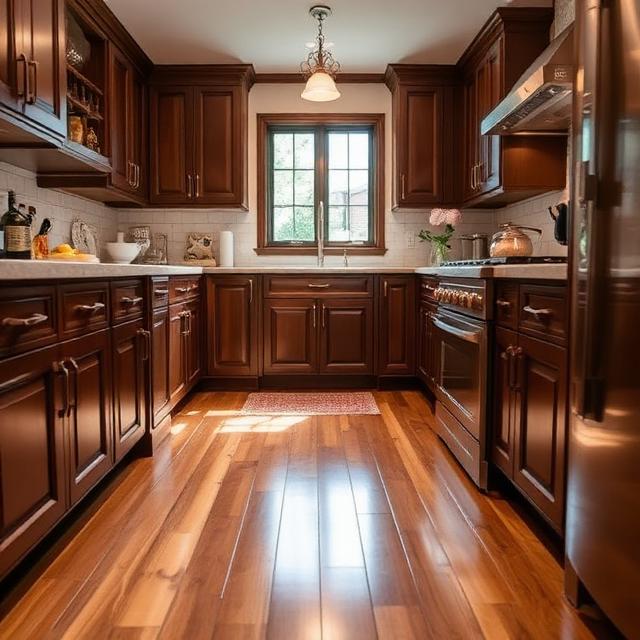
Your kitchen is the heart of your home. It’s a space for cooking, gathering, and making memories. Given the constant activity, from heavy foot traffic to inevitable spills and dropped utensils, the surface beneath your feet matters immensely. Choosing the right kitchen floors is a critical decision that balances aesthetics, functionality, and budget. This comprehensive guide will walk you through the best materials, styles, and considerations to help you select a floor that is both beautiful and built to last.
- Understanding the Essentials of Great Kitchen Floors
- Durability for High-Traffic Areas
- The Importance of Water and Stain Resistance
- Maintenance: Keeping Your Floors Looking Great
- Exploring the Top Materials for Kitchen Floors
- Timeless Elegance: Hardwood and Bamboo Flooring
- The Unbeatable Durability of Tile Flooring
- The Modern Marvel: Luxury Vinyl Plank (LVP)
- Laminate Flooring: The Budget-Friendly Lookalike
- Designing Your Dream Kitchen Floor
- Installation and Cost Considerations
- The Final Verdict on Kitchen Floors
A successful kitchen remodel often starts from the ground up. The flooring you choose sets the tone for the entire space, influencing everything from cabinet colors to countertop materials. You need a floor that can handle the demands of a busy kitchen—one that is durable, easy to clean, and complements your home’s unique design.
Understanding the Essentials of Great Kitchen Floors
Before diving into specific materials, it’s important to understand the key characteristics that make for excellent kitchen floors. The ideal choice will offer a combination of durability, water resistance, and style that fits your lifestyle.
Durability for High-Traffic Areas
The kitchen is one of the most-used rooms in any house, making it a true high-traffic area. Your floor must be tough enough to withstand constant use, resist scratches from pet claws or dragged chairs, and handle the impact of dropped pots and pans. Look for materials known for their longevity and strength.
The Importance of Water and Stain Resistance
Spills are a fact of life in the kitchen. From water splashes to sauce splatters, your flooring needs to be up to the challenge. A waterproof or highly water-resistant material is non-negotiable to prevent warping, swelling, and mold growth. Similarly, stain-resistant properties will keep your floors looking fresh and new, making cleanup a simple task rather than a constant battle.
Maintenance: Keeping Your Floors Looking Great
Consider how much time and effort you are willing to dedicate to maintenance. Some flooring options require regular sealing or special cleaning products, while others can be maintained with a simple sweep and mop. Your lifestyle should dictate the level of upkeep you’re comfortable with.
Exploring the Top Materials for Kitchen Floors
With a clear understanding of what to look for, let’s explore the most popular and practical materials for kitchen floors. Each option comes with its own set of benefits, drawbacks, and stylistic possibilities.
Timeless Elegance: Hardwood and Bamboo Flooring
For many homeowners, the warmth and classic beauty of wood are unparalleled. Modern finishing techniques have made wood a viable and attractive option for kitchens.
Solid and Engineered Hardwood Flooring
Hardwood flooring brings a natural, inviting feel to any kitchen.
- Solid Hardwood: Milled from a single piece of lumber, it can be sanded and refinished multiple times, offering incredible longevity. While susceptible to moisture, modern sealants provide significant protection.
- Engineered Hardwood: Constructed with a core of plywood and a top layer of real hardwood, engineered hardwood is more stable and often more affordable than its solid counterpart. It’s an excellent choice for handling the temperature and humidity fluctuations common in kitchens.
Popular wood choices include oak, maple, and hickory, each offering unique grain patterns and colors.
The Sustainable Choice: Bamboo
Technically a grass, bamboo flooring looks and feels like hardwood but is a more eco-friendly and renewable option. Strand-woven bamboo is incredibly durable and hard, making it highly scratch-resistant. Its natural resistance to moisture also makes it a strong contender for kitchen floors, aligning with a desire for sustainability.
The Unbeatable Durability of Tile Flooring
When it comes to a combination of toughness and water resistance, tile flooring is often the top choice. It offers endless design possibilities and is exceptionally long-lasting.
Porcelain and Ceramic Tile: The Versatile Champions
Porcelain and ceramic tiles are mainstays in kitchen design for good reason.
- Porcelain Tile: Fired at higher temperatures than ceramic, porcelain is denser, less porous, and more durable. It is inherently waterproof and stands up exceptionally well to heavy traffic, making it a prime material for kitchen floors.
- Ceramic Tile: A cost-effective yet stylish option, ceramic tile comes in a vast array of colors, shapes, and patterns. While slightly more porous than porcelain, a proper glaze makes it perfectly suitable for kitchen environments.
One of the biggest advantages of tile is its versatility. You can find options that mimic the look of natural stone, wood, and even concrete. Large-format tiles are a growing trend, as they create a seamless look with fewer grout lines, making a space feel larger and easier to clean. Popular patterns like herringbone or checkerboard can add a dynamic visual element.
Natural Stone Tile: Luxurious and Unique
For a high-end, luxurious feel, stone tile is an excellent investment. Each piece is unique, bringing an organic, earthy element into your home.
- Marble: Known for its elegant veining and bright appearance, marble is a classic choice. It requires regular sealing to protect against stains and etching but offers timeless beauty.
- Slate: This durable stone offers a natural, slip-resistant texture and is available in dark, rich colors. Slate is naturally water-resistant and holds up well in high-traffic areas.
- Travertine: With a soft, weathered look, travertine provides a touch of old-world charm. It needs to be sealed to prevent staining but is incredibly durable, lasting for decades with proper care.
The Modern Marvel: Luxury Vinyl Plank (LVP)
Luxury vinyl plank, or LVP, has surged in popularity due to its incredible performance and realistic aesthetics. It perfectly combines the beauty of natural materials with the resilience of modern technology.
LVP is a 100% waterproof flooring solution, making it ideal for kitchens. It consists of multiple layers, including a rigid core for stability and a protective wear layer that makes it highly scratch-resistant and stain-resistant. This makes it an amazing choice for families with kids and pets.
One of LVP’s biggest selling points is its ability to convincingly mimic other materials like hardwood and stone. Advanced printing technology creates authentic-looking textures and patterns, giving you the look you want without the high cost or maintenance. The installation is often simpler than tile or hardwood, with many options suitable for a DIY project.
Laminate Flooring: The Budget-Friendly Lookalike
Laminate flooring is another great option for achieving the look of wood or stone on a budget. It is constructed from a particleboard wood base with an image layer and a transparent wear layer. Modern trends have led to the development of waterproof laminate, which features a water-repellent wear layer and a moisture-resistant core, making it a viable choice for kitchen floors.
Laminate is durable, easy to clean, and relatively simple to install. It provides a comfortable surface to stand on and comes in countless styles to match any decor.
Designing Your Dream Kitchen Floor
Beyond the material, the design of your kitchen floors plays a huge role in the overall aesthetic of your space.
Matching Your Design Style
Whether your home is modern, traditional, farmhouse, or boho, there is a flooring option for you.
- Modern: Sleek, large-format tiles in neutral tones or polished concrete-look porcelain.
- Traditional: Classic hardwood flooring in warm tones or elegant marble tile.
- Farmhouse: Wide-plank, rustic wood-look LVP or natural slate tiles.
- Boho: Terracotta-colored tiles, patterned ceramics, or light-toned bamboo.
- Industrial: Concrete- or metal-look porcelain tiles.
The Power of Patterns and Colors
Don’t be afraid to make a statement. A classic black-and-white checkerboard pattern can add a retro yet sophisticated flair. A herringbone layout, whether with wood planks or subway tiles, adds a sense of movement and elegance. The colors you choose will also have a major impact. Light colors can make a small kitchen feel more open, while dark floors can create a dramatic, grounding effect.
Using a visualizer tool, often available on flooring retailer websites, can help you see how different materials and patterns will look in your space before making a commitment. This can be an invaluable part of your kitchen remodel planning.
Installation and Cost Considerations
The final step is getting your new floor in place. You can choose between DIY installation or hiring a professional. While DIY can be more cost-effective, a professional installation ensures the job is done correctly, which is crucial for the longevity and performance of your flooring, especially with materials like tile and hardwood.
The overall cost will depend on the material, the square footage of your kitchen, and labor costs. Laminate and vinyl are typically the most affordable options, while natural stone and solid hardwood are at the higher end.
The Final Verdict on Kitchen Floors
Choosing the right kitchen floors is a balancing act. The best option for you will depend on your budget, design preferences, and how you use your space. For ultimate durability and water resistance, porcelain tile and luxury vinyl plank are top-tier choices. For timeless warmth and beauty, engineered hardwood and bamboo offer fantastic, resilient solutions. By prioritizing durability, water resistance, and a style you love, you can select a floor that will serve as the perfect foundation for your kitchen for years to come.
Frequently Asked Questions (FAQs)
- What is the most durable type of flooring for a kitchen?
The most durable options for kitchen floors are porcelain tile and luxury vinyl plank (LVP). Porcelain is incredibly hard and resistant to scratches, stains, and moisture. LVP is 100% waterproof, highly scratch-resistant, and can withstand heavy foot traffic, making both excellent choices for busy kitchens. - Is hardwood flooring a good idea for a kitchen?
Yes, hardwood flooring can be a great choice for a kitchen, especially engineered hardwood, which is more stable in humid environments. Modern polyurethane finishes make wood floors highly water-resistant and durable. With proper maintenance and quick cleanup of spills, hardwood can bring timeless warmth and beauty to your kitchen. - What is the most cost-effective flooring for a kitchen remodel?
The most cost-effective options are typically laminate and luxury vinyl plank (LVP). Both offer a wide range of styles that mimic more expensive materials like hardwood and stone. They are durable, easy to install (many are DIY-friendly), and provide excellent value without sacrificing style. - How can I choose a floor that matches my kitchen’s style?
Consider your overall aesthetic. For a modern look, try large-format tiles or polished concrete-look porcelain. For a farmhouse feel, rustic wood-look LVP or slate works well. Traditional kitchens shine with classic hardwood flooring. Using an online visualizer tool can help you test different looks with your cabinet and backsplash choices. - What flooring trends are popular for kitchens in 2026?
Current trends for kitchen floors include waterproof materials like LVP and porcelain tile, natural and eco-friendly options like bamboo, and bold patterns such as herringbone and checkerboard designs. Large-format tiles continue to be popular for creating a spacious, seamless appearance, and there’s a strong emphasis on flooring that offers both high performance and aesthetic appeal.