


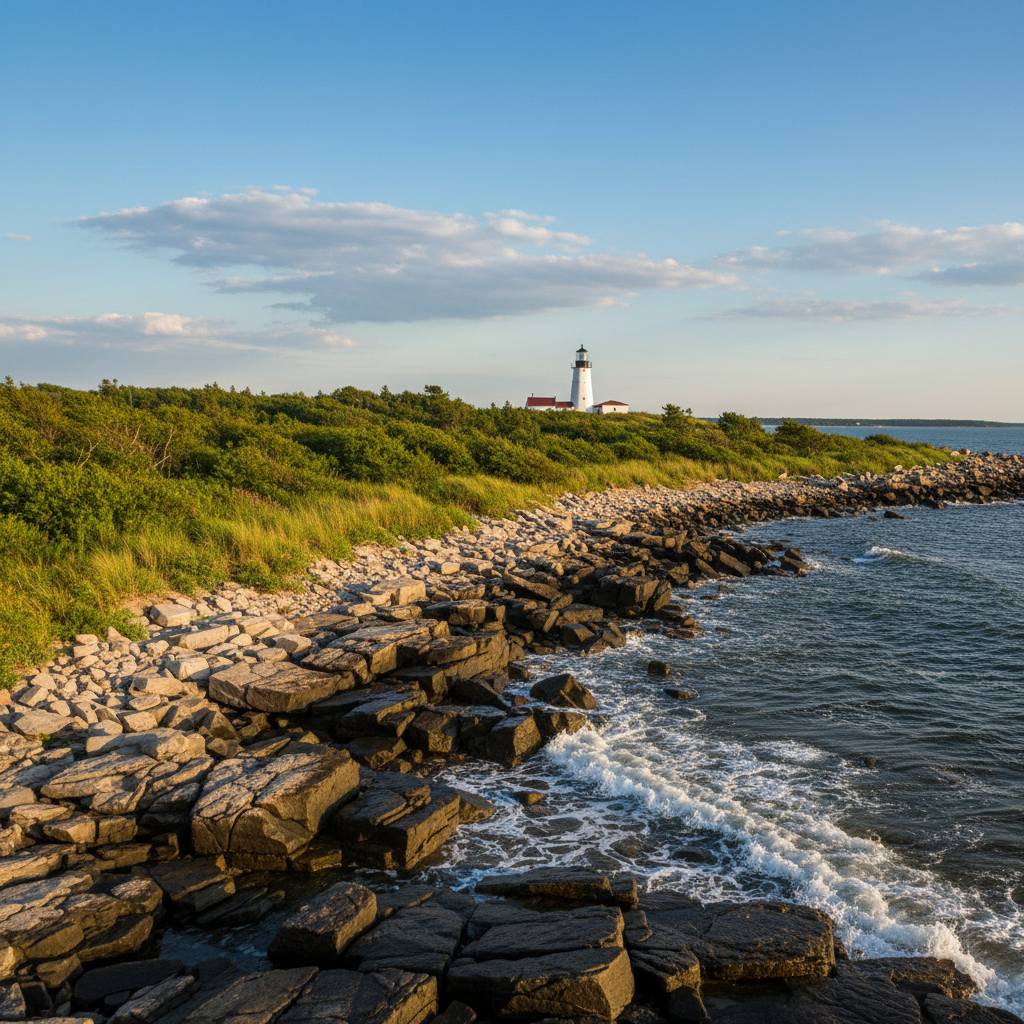
Just a short distance from the tip of the North Fork lies a place shrouded in mystery, ecological beauty, and fascinating history. If you look out across the water, you might wonder what really happens on this isolated stretch of land. For decades, it has captured the imagination of locals, researchers, and conspiracy theorists alike.
- The Reality of plum island southold ny 11957
- Ecological Wonders and Unmatched Biodiversity
- Conservation Efforts: Saving plum island southold ny 11957
- Comparing Island Destinations
- Contact Info, Safety, and Future Plans
- Frequently Asked Questions (FAQs)
This guide uncovers the truth about plum island southold ny 11957. We will explore its deep historical roots, its incredible wildlife, the reality of its government research facilities, and the ongoing fight to preserve it for future generations. Whether you care about local biodiversity or military history, this location offers a unique glimpse into a hidden world.
The Reality of plum island southold ny 11957
When people search for plum island southold ny 11957, they often want to know what exactly this restricted area is used for. Situated in Gardiners Bay, just east of Orient Point, this 840-acre landmass sits at the intersection of the Long Island Sound and the Atlantic Ocean. For over half a century, it has been primarily known for housing the Plum Island Animal Disease Center (PIADC).
However, the island is much more than a secure laboratory. It is an ecological treasure that has remained largely untouched by the heavy commercial and residential development seen across the rest of Suffolk County and New York. Because human access has been strictly limited for security and safety reasons, nature has reclaimed the landscape. Today, it stands as a testament to what coastal environments look like when left to thrive.
A Journey Through Time: The Island’s History
The story of plum island southold ny 11957 stretches back thousands of years. Before European settlers arrived, the land was known as “Manittuwond” by the indigenous Pequot Nation. In the 1600s, it changed hands and was eventually named after the wild beach plums that grow abundantly along its sandy shores.
Native Roots and the Rise of Fort Terry
During the late 19th century, the United States government recognized the strategic importance of the island. To protect the eastern entrance to the Long Island Sound, they established Fort Terry in 1897. This coastal artillery post served as a critical defense installation through the Spanish-American War, World War I, and World War II.
The remains of Fort Terry still stand today. Crumbling concrete batteries, old barracks, and forgotten observation posts dot the landscape. These structures offer a hauntingly beautiful contrast to the vibrant natural biodiversity that surrounds them. Military historians and preservationists consider these ruins a vital piece of national defense history that deserves protection.
The Plum Island Animal Disease Center
The most famous—and sometimes infamous—aspect of the island is the Plum Island Animal Disease Center. Established by the United States Department of Agriculture (USDA) in 1954, the facility was designed to study foreign animal diseases, most notably Foot-and-Mouth Disease (FMD).
Safety, Security, and Competitors
Because these pathogens pose a severe threat to livestock and the agricultural economy, the facility operates under incredibly strict safety protocols. The Department of Homeland Security (DHS) eventually took over the administration of the island to ensure maximum security. Employees undergo rigorous decontamination procedures, and access to the public is entirely restricted to prevent any accidental biological leaks.
Rumors have long swirled about the lab’s activities, spawning books, movies, and television shows. However, the reality is grounded in vital agricultural defense. Soon, the PIADC will face a major transition. The government is moving these operations to a new, state-of-the-art facility: the National Bio and Agro-Defense Facility (NBAF) in Manhattan, Kansas. This competitor facility will replace the aging infrastructure of the current lab, leaving the future of plum island southold ny 11957 wide open.
Ecological Wonders and Unmatched Biodiversity
The unintended consequence of the island’s isolation is the preservation of its breathtaking biodiversity. Without housing developments, shopping centers, or heavy traffic, wildlife has flourished. Conservation groups, including The Nature Conservancy, have documented over 220 bird species on the island and its surrounding waters.
The Largest Seal Haul-Out in New York
One of the most spectacular natural events occurs during the colder months. The rocky outcroppings on the island’s edge serve as the largest seal haul-out in southern New England and New York. Hundreds of harbor and gray seals gather here to rest, socialize, and warm themselves in the sun. This massive seal haul-out is a prime indicator of the health of the surrounding marine ecosystem.
Rare Birds and Essential Habitats
The island’s diverse terrain—ranging from freshwater wetlands to sandy beaches and maritime forests—provides critical habitat for numerous endangered and threatened species. The federally threatened Piping Plovers use the quiet beaches for nesting. Additionally, the nearby waters support the endangered Roseate Terns. Protecting this habitat is essential for the survival of these delicate avian populations.
Conservation Efforts: Saving plum island southold ny 11957
When the federal government announced plans to move the laboratory to Kansas, they also proposed selling the island to the highest bidder to offset construction costs. This sparked immediate outrage among environmentalists, local residents, and historical societies who feared the land would be sold to private developers for luxury resorts or golf courses.
Save the Sound and the Preserve Plum Island Coalition
A massive, unified effort was launched to stop the sale. The Preserve Plum Island Coalition, a massive group of over 120 regional and national organizations coordinated by Save the Sound, began heavily lobbying Congress. They argued that selling off such an ecological treasure would be a devastating loss for the public.
Their tireless work paid off. In late 2020, Congress officially repealed the mandate to sell the island at a public auction. The legislation required the Department of Homeland Security to offer the property to other federal agencies, state governments, or conservation groups. The coalition continues to push for the island to be designated as a National Monument or a similar protected preserve.
Comparing Island Destinations
To understand the unique value of this location, it helps to compare it to other regional islands.
| Feature | plum island southold ny 11957 | Fire Island, New York | Fishers Island, New York |
| Primary Use | Government Research / Wildlife Refuge | Tourism / Residential | Residential / Private |
| Public Access | Highly Restricted | Fully Open | Open (Ferry Access) |
| Key Wildlife | Piping Plovers, Seal Haul-out | Whitetail Deer, Shorebirds | Seagulls, Coastal Marine Life |
| Historical Sites | Fort Terry, 1869 Lighthouse | Fire Island Lighthouse | Fort H.G. Wright |
| Future Outlook | Potential National Monument | Protected National Seashore | Continued Private Residence |
Contact Info, Safety, and Future Plans
Currently, there is no public contact info for booking tours, as the island remains a secure federal facility operated by the Department of Homeland Security. Strict safety perimeters are enforced in the waters surrounding the island, and unauthorized boaters are heavily fined and turned away.
As the laboratory operations slowly transfer to the new facility in Kansas, the Preserve Plum Island Coalition and Save the Sound are working on public-philanthropic partnerships to manage the land. If successful, future visitors might be able to enjoy guided historical tours of Fort Terry and ecological walks to view the seal haul-out, all while maintaining strict conservation boundaries.
Frequently Asked Questions (FAQs)
- Can the public visit plum island southold ny 11957?
No, public access is currently prohibited. The island is owned and operated by the federal government and access is restricted to authorized personnel and scientists working at the Plum Island Animal Disease Center. - Is there a danger of disease spreading from the island?
Safety protocols at the facility are incredibly strict. The laboratory operates under severe negative air pressure, and all staff undergo rigorous decontamination. There has never been a verified outbreak of an animal disease from the island affecting the mainland. - What will happen to the island when the lab closes?
Thanks to the efforts of the Preserve Plum Island Coalition, the island will not be sold to private developers. It is currently moving through a federal process that will likely transfer ownership to an environmental agency or state government to be managed as a wildlife preserve or National Monument. - What kind of animals live on plum island southold ny 11957?
The island is famous for its biodiversity. It hosts the largest seal haul-out in New York, with hundreds of seals visiting in the winter. It also provides a safe haven for over 220 species of birds, including Piping Plovers and Roseate Terns. - How far is the island from the mainland?
The island is located about one and a half miles off the eastern tip of Orient Point in Suffolk County, making it geographically close but highly isolated due to the strong currents of “Plum Gut” and federal security restrictions.