


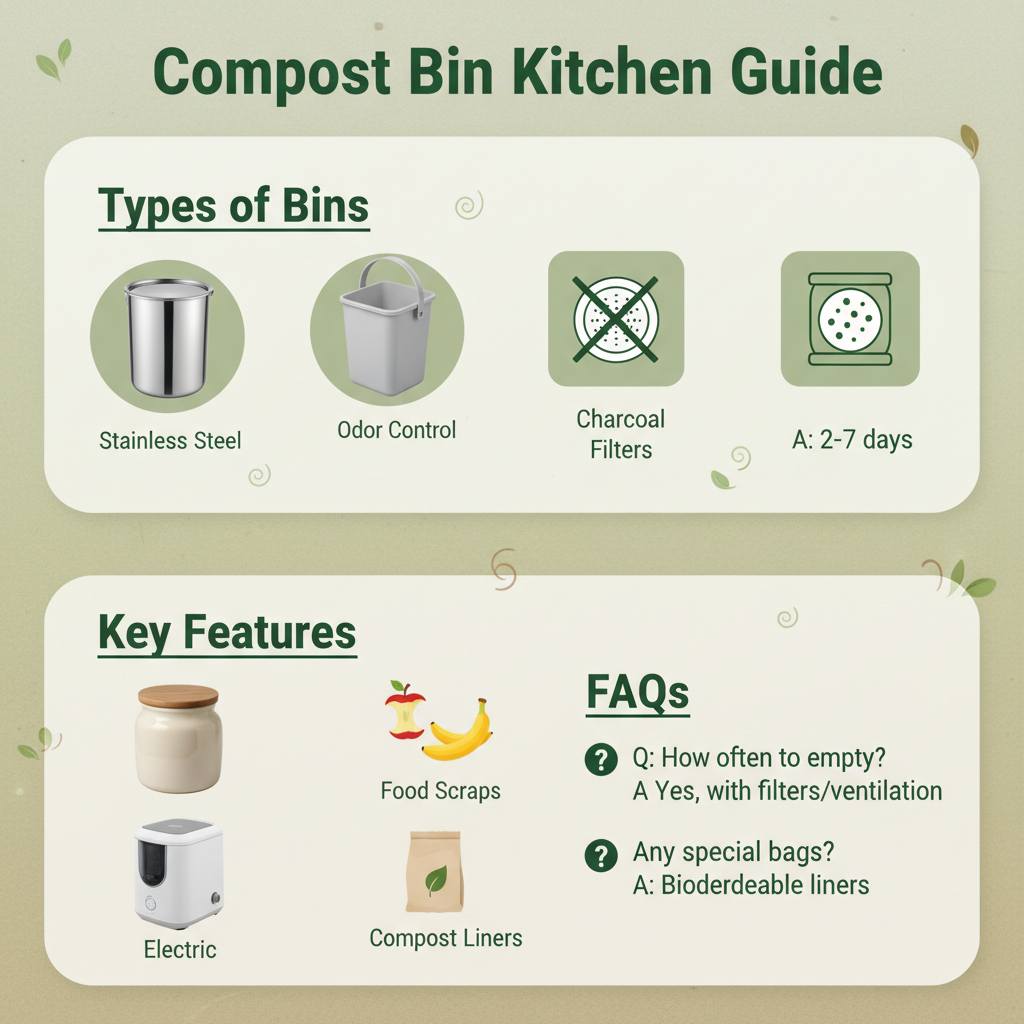
Are you tired of throwing valuable nutrients into the regular trash? Setting up a compost bin kitchen system is one of the easiest ways to reduce your environmental footprint. Turning daily leftovers into nutrient-rich soil helps gardens thrive and keeps organic matter out of landfills.
- What Exactly is a Compost Bin Kitchen?
- Types of Kitchen Composters
- Key Features to Look For
- Odor Control and Charcoal Filter Systems
- Ventilation and Airflow
- Using Compost Liners
- Size and Capacity
- Popular Compost Bins Compared
- Managing Your Kitchen Waste
- Health and Safety Considerations
- Competitors in the Market
- Contact Information for Local Composting
- Overcoming Common Challenges
- Maximizing Your Countertop Space
- The Journey from Counter to Garden
- Final Thoughts on Your Setup
- Frequently Asked Questions
Many people hesitate to start collecting scraps indoors because they worry about smells, fruit flies, or taking up precious counter space. You do not need to worry. Modern designs make the process clean, simple, and visually appealing. We will break down everything you need to know about starting your indoor composting journey.
You will learn about the different types of containers, how to manage your materials, and what features matter most. We will also cover safety guidelines, analyze top competitors, and answer the most common questions.
What Exactly is a Compost Bin Kitchen?
A compost bin kitchen is a dedicated container kept inside your home, usually on the counter or under the sink. You use it to temporarily store kitchen waste before transferring it to an outdoor pile, a municipal green bin, or a community garden.
These containers range from simple buckets to advanced electric composters. They serve as the crucial first step in the recycling process. By keeping a countertop compost bin within arm’s reach while cooking, you make it incredibly easy to save your food scraps instead of throwing them away.
Choosing the right container makes all the difference. A well-designed unit will trap smells, look great in your space, and make cleaning a breeze.
The Environmental Impact
When you send organic matter to a landfill, it breaks down without oxygen. This creates methane, a greenhouse gas far more potent than carbon dioxide. Using a compost bin kitchen interrupts this harmful cycle.
You give your leftovers a chance to break down naturally. This creates a valuable soil amendment that retains water, suppresses plant diseases, and reduces the need for chemical fertilizers. Even if you do not have a garden, saving your organic materials helps the planet.
Financial Benefits
Homeowners can save money by making their own fertilizer. You will no longer need to buy bags of topsoil or plant food from the garden center. Furthermore, some municipalities charge for garbage collection based on volume. Diverting heavy, wet organic materials from your main trash can lower your disposal bills.
Types of Kitchen Composters
Finding the right material and style is essential for your daily routine. Manufacturers offer several distinct categories, each with unique benefits.
Stainless Steel Models
Stainless steel options remain incredibly popular for good reason. They look sleek, match modern appliances, and do not absorb smells over time. Unlike cheaper materials, a stainless steel container will not stain from coffee grounds or tomato sauce.
Most of these metal containers feature a polished or brushed finish. They easily wipe clean with a damp cloth. Many users find they can simply put the main bucket right into the dishwasher.
Plastic Bins
If you want a lightweight and budget-friendly option, plastic bins are widely available. They come in various colors and shapes. Many feature helpful details like a stay-open lid, which makes chopping vegetables much easier.
While plastic bins cost less upfront, they can sometimes absorb odors if you do not empty them frequently. To prevent this, you should wash them thoroughly with dish soap and warm water after every single use.
Ceramic and Wood
For those who prioritize interior design, ceramic crocks offer a beautiful alternative. They look like rustic cookie jars or decorative vases. Ceramic is heavy, meaning it stays firmly in place on your counter. However, you must handle them carefully to avoid chipping or breaking.
Wooden enclosures usually hide a plastic or metal bucket inside. They bring a warm, natural aesthetic to your home but require careful maintenance to prevent the wood from warping due to moisture.
Electric Composters
Technology has introduced a new category: electric composters. These machines actively break down your food scraps right on your counter. They use heat, aeration, and sometimes grinding mechanisms to reduce the volume of your waste by up to 90 percent in just a few hours.
While a traditional compost bin kitchen simply stores waste, these electric units process it. They carry a much higher price tag but offer unmatched convenience for apartment dwellers or those without outdoor space.
Key Features to Look For
When shopping for your ideal compost bin kitchen, pay close attention to the specific features that will make your daily life easier.
Odor Control and Charcoal Filter Systems
The biggest concern for beginners is the smell. Excellent odor control is non-negotiable. Look for containers with tight-fitting lids. Many top-tier models incorporate a replaceable charcoal filter directly into the lid.
A charcoal filter absorbs gases and neutralizes foul smells before they escape into your room. You typically need to replace these filters every three to six months, depending on how much you cook.
Ventilation and Airflow
Some modern designs skip the charcoal filter entirely and rely on strategic airflow. These units feature small holes that let air circulate around the waste. This dries out the contents slightly, slowing down the decomposition process and preventing the anaerobic bacteria that cause bad smells.
Using Compost Liners
Cleaning out a dirty container is no one’s favorite chore. Many people use compost liners to make emptying the container effortless. These bags are made from plant starches and break down naturally.
If you use compost liners, make sure they carry official certification for home or municipal composting. Never use regular plastic bags, as they will contaminate the entire pile.
Size and Capacity
Consider how much you cook and how often you want to walk to your outdoor pile. A small one-gallon unit works well for a single person or a couple. Large families might need a two-gallon or three-gallon container. Remember that larger containers take up more counter space and become quite heavy when full.
Popular Compost Bins Compared
To help you choose the best compost bin kitchen for your needs, review this comparison of common container types on the market.
| Material Type | Odor Control Method | Best For | Price Range | Maintenance |
| Stainless Steel | Charcoal Filter | Everyday cooking, modern kitchens | $20 – $40 | Dishwasher safe (remove filter) |
| Plastic Bins | Tight lid or airflow | Budget buyers, easy handling | $15 – $30 | Hand wash recommended |
| Ceramic | Charcoal Filter | Decor-conscious buyers | $30 – $50 | Careful hand washing |
| Electric Composters | Carbon filters & heat | Apartments, fast processing | $300 – $500 | Self-cleaning modes, wipe exterior |
Managing Your Kitchen Waste
Successfully running a compost bin kitchen requires knowing what belongs inside it. Sorting your kitchen waste correctly ensures you get high-quality fertilizer and avoid pest problems.
What to Put in Your Bin (Food Scraps)
You can collect a wide variety of food scraps in your countertop compost bin. Stick to plant-based materials. Coffee grounds, tea leaves, fruit peels, and vegetable offcuts are perfect. Crushed eggshells add valuable calcium to your soil.
You can also include small amounts of shredded newspaper, brown paper bags, and torn cardboard. These “brown” materials help balance the moisture from the wet “green” materials.
What to Keep Out
Never put meat, dairy, bones, or greasy foods into a standard indoor container. These items rot quickly, create terrible smells, and attract pests like mice and raccoons to your outdoor pile.
Avoid adding diseased plants or weeds that have gone to seed. Also, keep pet waste out of your standard food pile, as it can contain harmful pathogens.
Health and Safety Considerations
Maintaining a safe environment is crucial when handling decaying organic matter indoors. A neglected compost bin kitchen can attract fruit flies or develop mold.
Always keep the lid securely closed when not in use. Empty the container regularly. During hot summer months, you might need to empty it every two days. Wash your hands thoroughly with soap and water after handling the container or transferring the waste.
If you notice excessive mold or a strong ammonia smell, you are likely keeping the materials too wet. Add some shredded paper to absorb the moisture, and empty the container immediately.
Competitors in the Market
The market for indoor waste management has grown rapidly. Several strong competitors offer excellent products. Brands like OXO focus on practicality with their simple, easy-to-clean plastic bins. Epica and Utopia dominate the stainless steel category, offering durable products with excellent odor control.
On the high-tech side, brands like Lomi and Reencle compete aggressively in the electric composters space. They constantly innovate, adding smart sensors and faster processing times to justify their premium prices. Evaluating these competitors helps you understand what features matter most to you before making a purchase.
Contact Information for Local Composting
If you do not have an outdoor space, you can still use a compost bin kitchen. Many cities now offer curbside pickup for organic waste. Contact your local municipal waste department to ask about green bin programs.
Alternatively, look for community gardens or local farmers’ markets. Many local growers happily accept clean food scraps from community members. You can often find local drop-off points through community boards or city websites.
Overcoming Common Challenges
Starting a new habit takes time. You might face a few hurdles when you first set up your compost bin kitchen.
Fruit flies are the most common complaint. To stop them, bury sweet fruit peels under coffee grounds or paper. Keep your lid sealed tight. You can also store your container in the fridge or freezer if fruit flies become a serious issue during the summer.
Another challenge is family compliance. Make sure everyone in your house knows what goes into the countertop compost bin and what goes into the trash. Put a small sticky note on the lid as a reminder until it becomes second nature.
Maximizing Your Countertop Space
Space is precious in any home. If a countertop compost bin takes up too much room, look for under-sink models. Some containers feature hooks that allow you to hang them inside a cabinet door.
This keeps the container entirely out of sight while remaining accessible. Just remember to empty it regularly, as out-of-sight containers are easy to forget.
The Journey from Counter to Garden
Your compost bin kitchen is just the beginning. Once your container is full, you take it to your main processing area.
If you use a backyard pile, try to mix your wet kitchen materials with dry yard waste like dead leaves or straw. Turn the pile occasionally to introduce oxygen. Within a few months, your daily leftovers will transform into dark, crumbly, sweet-smelling soil.
This transformation is incredibly rewarding. You get to see the direct results of your daily habits turning waste into a valuable resource.
Final Thoughts on Your Setup
Investing in a high-quality compost bin kitchen changes how you view household waste. It is a small addition to your home that makes a massive difference to the environment.
Whether you choose a sleek stainless steel model with a charcoal filter or a simple bucket that uses compost liners, the most important thing is to start. Keep your container clean, monitor your food scraps, and enjoy the process of reducing your household waste.
By taking control of your kitchen waste, you contribute to a healthier planet and create incredible resources for the soil. Start your composting journey today.
Frequently Asked Questions
- Does a compost bin kitchen smell bad?
No, it should not smell bad if managed correctly. High-quality containers use a charcoal filter or tight seals for odor control. Emptying the container regularly and washing it prevents bad smells. - Can I use regular trash bags as compost liners?
No, you must never use regular plastic bags. They do not break down and will ruin your pile. Only use certified compostable bags made from plant materials. - What is the difference between electric composters and regular bins?
Regular bins just hold your kitchen waste until you take it outside. Electric composters actively heat, dry, and grind the waste on your counter, turning it into a dry fertilizer in a few hours. - How often should I empty my countertop compost bin?
You should generally empty it every two to three days. In hot weather, or if you eat a lot of fruit, you might need to empty it daily to prevent fruit flies. - Can I put meat and dairy in my indoor container?
You should avoid putting meat, bones, and dairy in a standard indoor container. These items rot fast, smell terrible, and attract pests. Stick to plant-based materials and eggshells.